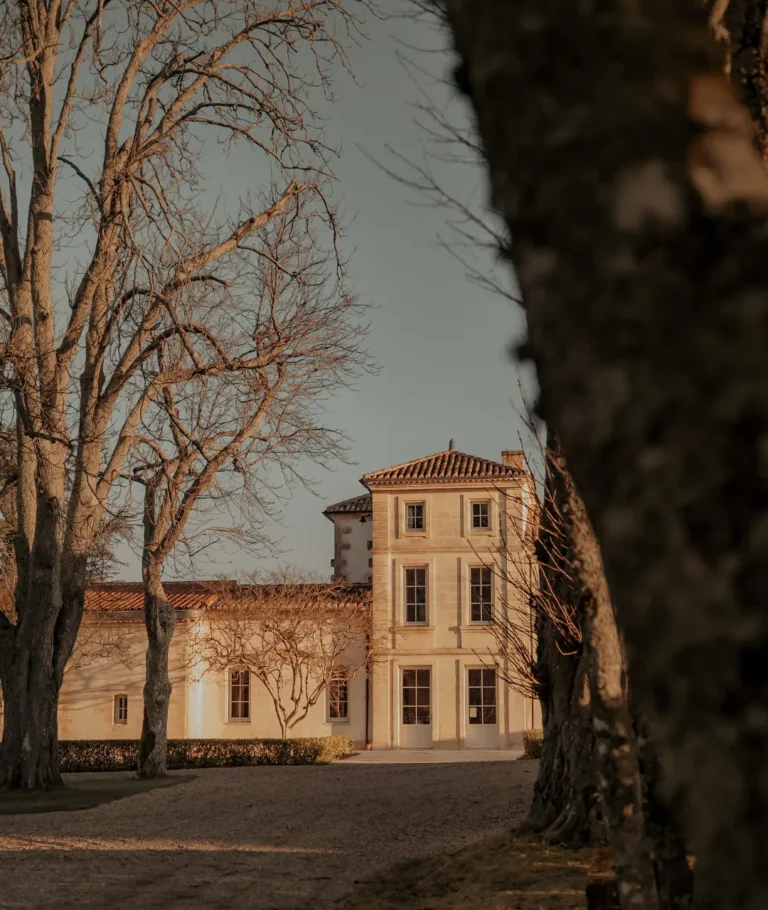
View of the estate at the Château Fonroque

The estate

In the heart of Saint-Émilion, Château Fonroque is one of those estates whose history is intimately linked to that of the appellation. Vineyard cultivation has been documented there since at least the 17th century, and since then, the estate has continued to evolve while maintaining a deep connection to its identity and terroir.

Recognized as a Grand Cru Classé since the first Saint-Émilion classification in 1955, Château Fonroque was the first Grand Cru Classé to be certified organic in 2006 and biodynamic in 2008

Since 2017, the Guillard family has been leading a new phase in the estate’s development, driven by significant investments in the vineyards and infrastructure. The inauguration of a new fermentation tank in 2021 is part of this momentum, reflecting a commitment to using tools that are increasingly tailored to a precise and respectful approach to each harvest.

Today, Château Fonroque continues on its path with the same ambition: to produce wines true to their origins while conveying the history, values, and spirit of a place that holds a unique place in the Saint-Émilion landscape.

The Terroir

The great terroirs of Saint-Émilion were shaped by various geological eras influenced by the movements of the Dordogne River.

This rich history has left its mark on the Fonroque vineyard’s plots. Located a few hundred meters from the village of Saint-Émilion, Château Fonroque benefits from a beautiful mosaic of Saint-Émilion’s three main soil types: the limestone of the plateau, the clay-limestone of the hillside, and the sandy-silt loam at the base of the slope. This diversity allows each grape variety to find its ideal expression and contributes different nuances to the blend.

Limestone promotes freshness and vibrancy, clay adds density and structure, while the softer soils contribute to the wine’s generous fruitiness.

Château Fonroque and its vineyard
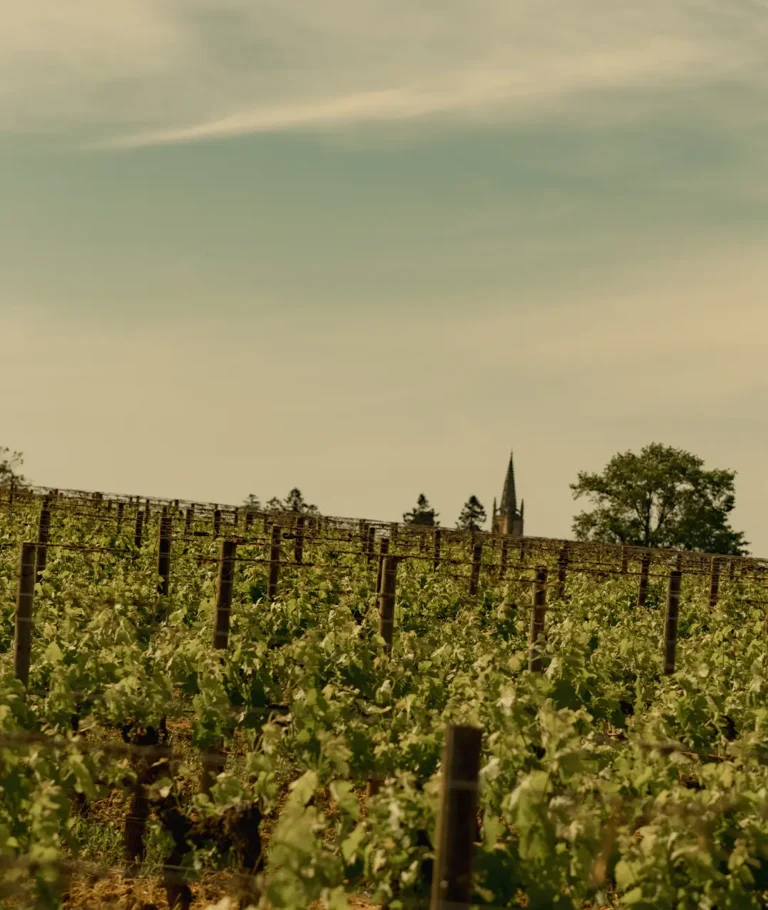
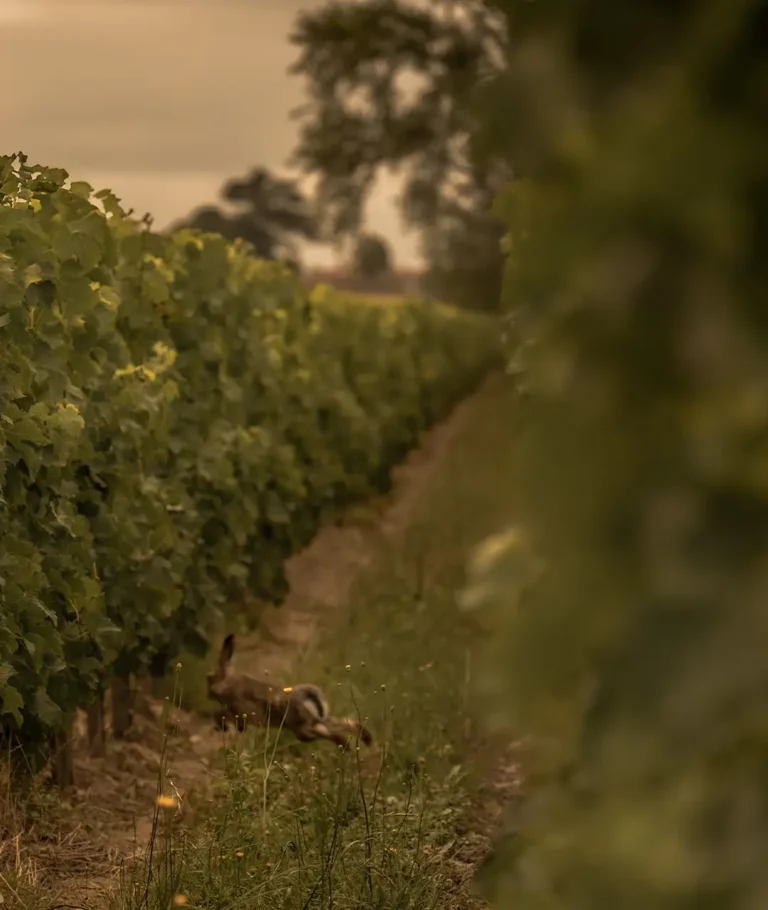
Vines of the estate Château Fonroque

The Vineyard

The Fonroque vineyard spans 17.6 hectares in a single block surrounding the château. Since the estate’s transition to biodynamic farming, Cabernet Franc has regained a prominent place in Fonroque’s blends; nevertheless, Merlot remains the dominant variety in the estate’s vineyard.

Special care is taken with each grape variety, allowing it to reveal its unique character based on the terroir that nurtures it. The balance between limestone and clay-limestone soils results in wines that are generous, fresh, and harmonious.

The fermentation room

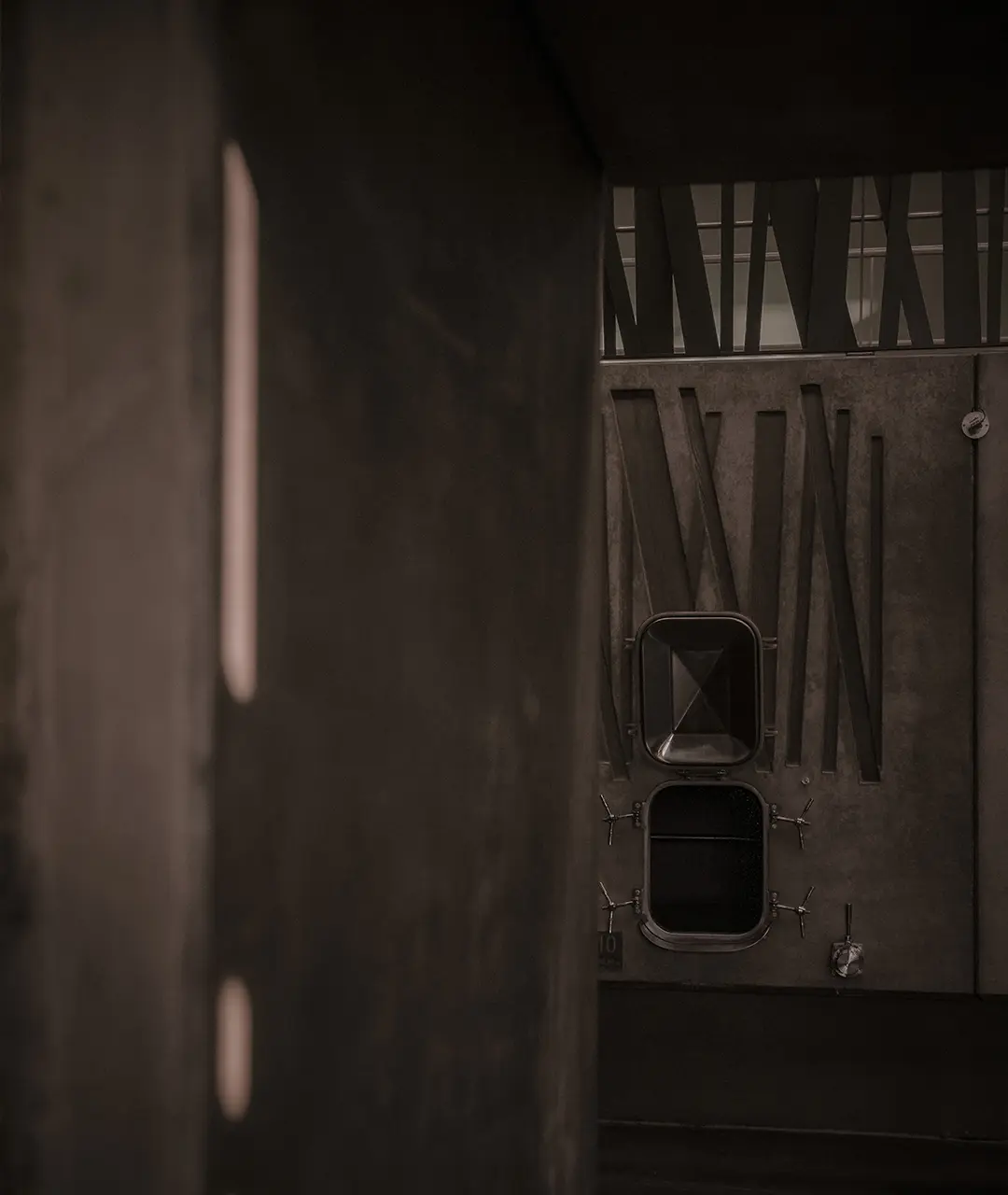
Inaugurated with the 2021 vintage, Château Fonroque ’s new winemaking facility is the result of several years of planning. Designed in collaboration with architect Jean-Philippe Nuel, it was conceived as a natural extension of the estate’s philosophy.

Beyond its technical function, the building was designed as a workspace consistent with Fonroque’s biodynamic approach. The flow of the spaces, natural light, the choice of minimally processed materials, and the attention paid to volumes all contribute to creating an environment that is both functional and serene.

The number of concrete tanks has increased from 17 to 28 to allow for more precise winemaking of the vineyard’s various plots. This change offers greater flexibility in monitoring fermentation and allows for a more nuanced adaptation of winemaking practices to the characteristics of each lot. This plot-by-plot approach enables more refined blends and preserves the diversity that makes the vineyard unique.

Château Fonroque 's Vineyard in Saint-Émilion

What is a Saint-Émilion Grand Cru Classé?

A Saint-Émilion Grand Cru Classé is a wine produced by an estate recognized for the quality of its terroir, the excellence of its viticulture, and the consistency of its wines. The Saint-Émilion Grand Cru Classé classification, which is revised periodically, is one of the most prestigious benchmarks in the Bordeaux wine region. Located in the heart of the appellation, the “ Château Fonroque ” has been among the estates distinguished by this classification since 1955. For lovers of fine Bordeaux wines, discovering a Saint-Émilion Grand Cru Classé duringa visit to the estate offers a unique opportunity to understand the connections between terroir, biodiversity, and winemaking expertise.

Why is the terroir of the " Château Fonroque " unique?

Château Fonroque holds a unique place among the estates of Saint-Émilion. While its status as a Saint-Émilion Grand Cru Classé attests to the recognized quality of its wines, its identity is rooted above all in a vision deeply grounded in respect for the terroir and all living things. Located in the heart of the Saint-Émilion appellation, the estate benefits from a clay-limestone terroir particularly renowned for its ability to produce wines that are elegant, balanced, and possess great aging potential. This geological diversity contributes to the wines’ personality and their ability to accurately express their origin.

Where is the " Château Fonroque " located in Saint-Émilion?

Château Fonroque is located in the heart of the Saint-Émilion appellation, on the right bank of the Bordeaux wine region, in one of the world’s most prestigious wine-growing regions. Just a few minutes from the famous medieval village of Saint-Émilion, a UNESCO World Heritage Site, the estate enjoys an exceptional setting where history, heritage, and great wine-growing terroirs come together.

See which wines from the estate are available for order.
VISIT THE STORE
Welcome to the Château Fonroque website
Are you of legal age?
To visit our website, you must be of legal drinking age in your country of residence, as defined by applicable law.
I am not of legal age